You probably don't think about your electrical panel until it starts making itself known. Maybe you've gone to add a circuit and found every slot already full, or an inspector or insurance company flagged the panel during a sale. Older boxes get overwhelmed by the way houses get used now, and pushing an outdated panel past what it was built for is one of the more common electrical hazards in homes around here. Advanced Electrical Repair handles electrical panel upgrades for homeowners in Milliken, CO, and the surrounding areas, and we'll tell you honestly whether yours needs replacing or just needs some attention.
Advanced Electrical Repair is a veteran-owned electrical contractor based in Milliken, CO, working with homeowners in nearby towns and communities. Panel work is a regular part of what we do, covering panel and circuit breaker replacements, service capacity increases, code-compliance corrections, and full home electrical inspections. Our background with older houses matters here, since panels in homes built decades ago often sit at the end of a long history of additions and modifications that need sorting out before anything new goes in. Every upgrade we do is permitted, inspected, and built to handle what your household actually draws.
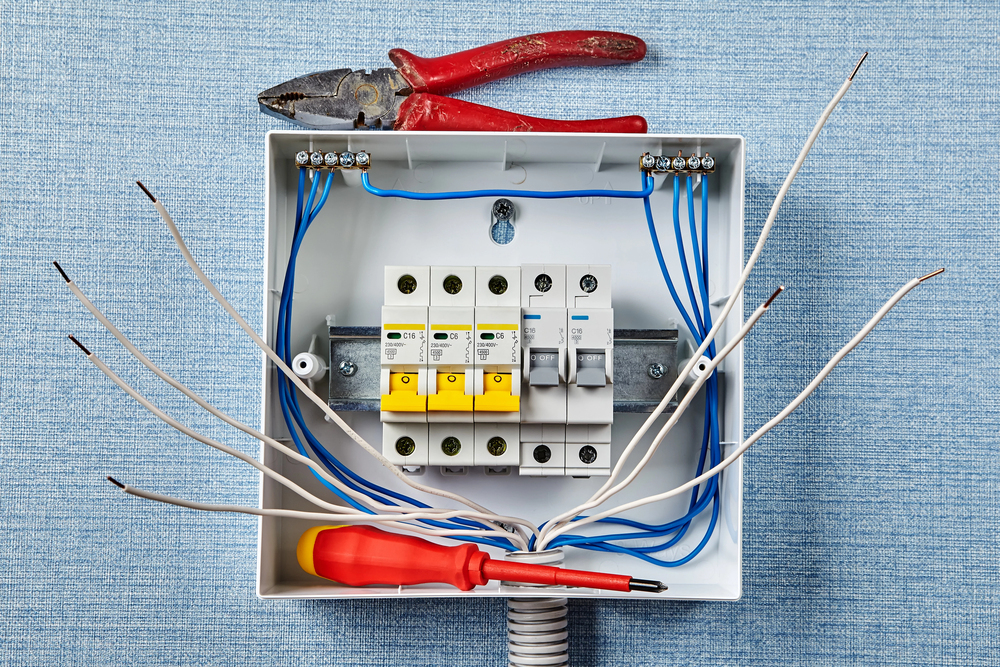
The complaint usually sounds the same. Breakers trip for no obvious reason, lights dim when a big appliance kicks on, or a homeowner wants to add something new and discovers there's nowhere to put it. Sometimes the panel itself feels warm, or there's a faint buzz coming from inside, which is a different conversation and a more urgent one.
The cause is almost always a mismatch between what the panel was designed for and what the house asks of it now. A 100-amp service made perfect sense when a home had one television, a stove, and no air conditioning. Add a modern kitchen, a couple of window units, a hot tub, an electric vehicle (EV), a dryer, and a basement full of electronics, and that same service is running near its ceiling all day. Old panels also age poorly in ways you can't see, with bus bars that corrode, breakers that lose their ability to trip properly, and connections that loosen through decades of heating and cooling cycles. Certain older brands have their own reputations, and finding one during an inspection generally settles the question.
Getting it corrected starts with a load calculation, meaning we add up what your home actually demands rather than guessing at a number. From there, we determine whether you need a new panel at the same service size or a larger service coming in from the utility company, coordinate with the power company if the meter and service entrance are involved, pull the permit, and schedule the work. The changeout itself usually takes a day, with power off for a good chunk of it. We label every circuit clearly, keep the wiring inside neat enough that the next person to open the door can follow it, and stay through inspection.
The result is a house that stops fighting you. Breakers hold, capacity is there when you want to add a charger or finish a basement, and the safety equipment protecting your circuits actually works the way it was designed to. A licensed electrician doing this properly also leaves you with documentation for your insurer or a future buyer, which tends to matter more than people expect.
Our team evaluates the complete electrical setup before recommending changes, so the finished project supports your home and the way you use it.
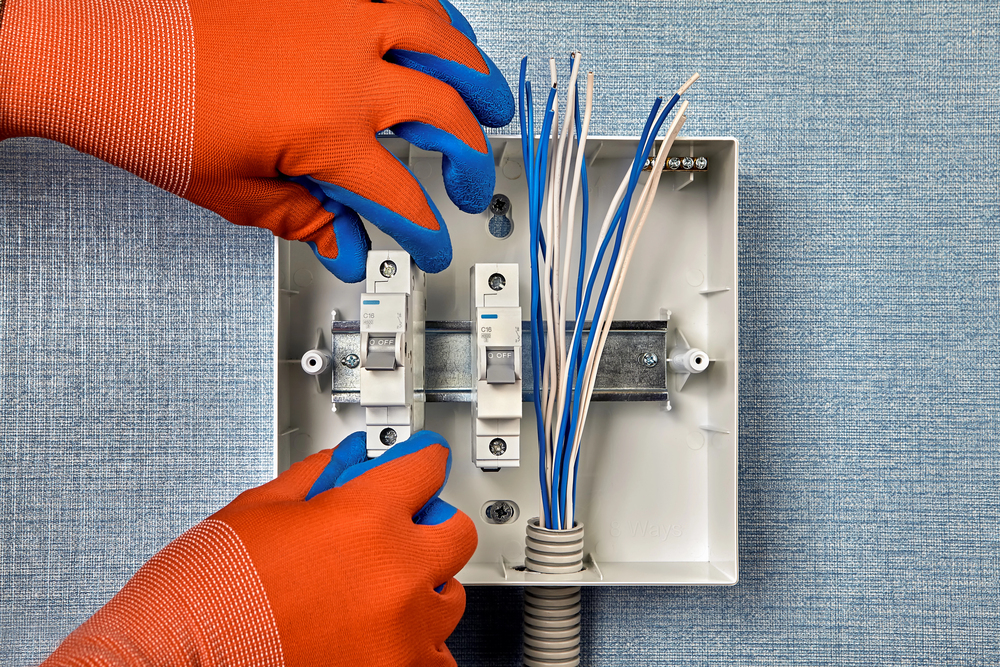
Understanding what you're working with should come before spending money, so an inspection is often the first step. Our inspections look at the panel, grounding system, wiring condition, outlet and device safety, and anything that's fallen out of code along the way. Homeowners buying or selling a place find these especially useful, since they turn vague concerns into a specific list.
Electrical code changes over time, and work that passed inspection twenty years ago may not meet what's required now. During an upgrade, we bring grounding, bonding, breaker types, and clearances in line with current standards. Arc fault circuit interrupter (AFCI) and ground fault circuit interrupter (GFCI) protection often gets added at this stage too, depending on which circuits are involved.
Breakers wear out, and a worn breaker either trips constantly or, worse, fails to trip when it should. Replacing individual breakers is sometimes all a panel needs, though we'll be up front when the panel itself is the real issue. Matching the right breaker to the right panel matters more than people realize, since mismatched brands are a common and dangerous shortcut.
An electrical panel replacement means removing the old box entirely and installing a modern one with proper capacity, room for future circuits, and current safety features. Homeowners with obsolete or recalled panels usually end up here, and so do those who've simply run out of space. The old panel comes out, everything gets transferred and relabeled, and the whole job goes through permitting and inspection.
An electrical service upgrade increases your amperage, taking a home from something like 100 amps to 200 amps so there's headroom for modern demands. Utility coordination is part of the job, along with new service entrance conductors, a new meter socket in many cases, and the permitting that goes with it. Homes adding EV chargers, hot tubs, shops, or finished basements are the most frequent candidates for electrical service upgrades, and knocking it out before those projects start saves money over doing it twice.
There's a difference between fixing a symptom and fixing a cause, and the second one keeps you from calling anybody back next month. Electrical repairs bring us into homes for outlets that stopped working, breakers that keep tripping, switches past their prime, and the occasional after-hours emergency that won't wait.
Public charging works until the one station in town is occupied and you're already running late. Every EV charger installation gets a Level 2 unit, Tesla charger, or full home charging station wired into your garage on a dedicated circuit that matches what the equipment draws.
A basement goes from storage to living space the moment the electrical is done properly. Our basement finishing electrical work involves running new circuits, placing outlets and switches where you'll actually use them, installing recessed lighting, wiring a bathroom if one's in the plans, and adding the required smoke and carbon monoxide detectors.
Light does more to change a room than almost anything else you can spend money on. A lighting installation from us includes recessed cans, under-cabinet strips, pendants and chandeliers, ceiling fans, motion and security fixtures, landscape lighting for the yard, and LED upgrades that pay you back a little every month.
Anything major you do to a house eventually comes down to whether the wiring can support it. Our home wiring and electrical installations include full rewires, replacing aluminum wiring, dedicated circuits for ranges and dryers, hot tub and in-ground pool feeds, kitchen and bath remodels, room additions, new construction, and smart home wiring.
Electrical panel upgrade work is a big enough job that who does it matters, so here's what comes with hiring us.
Panels of every vintage have come across our path over the past two decades, and our membership with the Independent Electrical Contractors Rocky Mountain keeps us sharp on code changes as they happen.
Panel upgrades aren't a small purchase, which is why financing through Joist is on the table, and we're glad to explain the process during your estimate.
Getting a quote from us costs nothing and comes with no obligation.
We install panels and breakers from Siemens, Square D, and the Cutler-Hammer BR Series.
Local ownership and a military background shape how we run this business and how we treat the people who hire us.
Workmanship is guaranteed for one year, and eligible equipment carries whatever manufacturer coverage applies to it.
Milliken requires permits for electrical service changes and other projects that alter or replace electrical systems. The town also requires electrical contractors to provide an active Colorado state license, and local inspectors currently follow the 2023 National Electrical Code.
Frequent breaker trips, dimming lights, buzzing sounds, warm components, corrosion, or too few spaces for new circuits can signal that the panel needs attention. A licensed electrician can inspect the equipment and review your household's electrical demand before recommending electrical panel upgrades.
A straightforward panel replacement may take most of a workday, while a larger electrical service upgrade can require more time for utility coordination, grounding work, permits, and inspections. An electrician can provide a clearer schedule after inspecting the panel and confirming the project requirements.
Electrical panel upgrades may include panel replacement, circuit breaker updates, increased service capacity, grounding or bonding corrections, code-related improvements, and an inspection of connected equipment. The electrician should also evaluate current and planned electrical loads before selecting the new panel.
Choose a full electrical panel upgrade when the existing equipment has reached its capacity, shows damage, or can't support the home's calculated electrical load. A subpanel can create room for additional circuits, but an electrician must evaluate the main service before deciding whether that approach will meet your needs.
FAQs reviewed by Ben DeVries, owner of Advanced Electrical Repair, an experienced and local electrician in Milliken, CO.
An upgraded panel quietly solves problems you've probably been working around for years. Contact Advanced Electrical Repair for a free estimate and an honest assessment of what yours needs.
Business Name: Advanced Electrical Repair
Address: Milliken, CO, 80543
Phone: 720-552-7023
Business Hours:
Mon - Fri: 8:00 AM to 4:30 PM
Sat-Sun: Closed
Emergency hours available upon request.
Financing Available
We offer financing options through our estimating and invoicing software, Joist. Ask us how to apply during your free estimate.
We recommend scheduling a Spring Tune-Up in March to make sure your cooling system is ready for warmer weather, and a Winter Prep Service in November to prepare your heating system for the colder months.
Workmanship & Manufacturer Warranties
We stand behind our work with a one-year workmanship guarantee, plus all eligible parts and equipment are backed by their applicable manufacturer warranties.